CAMOUFLAGEKIMONO
Patterns Without Borders
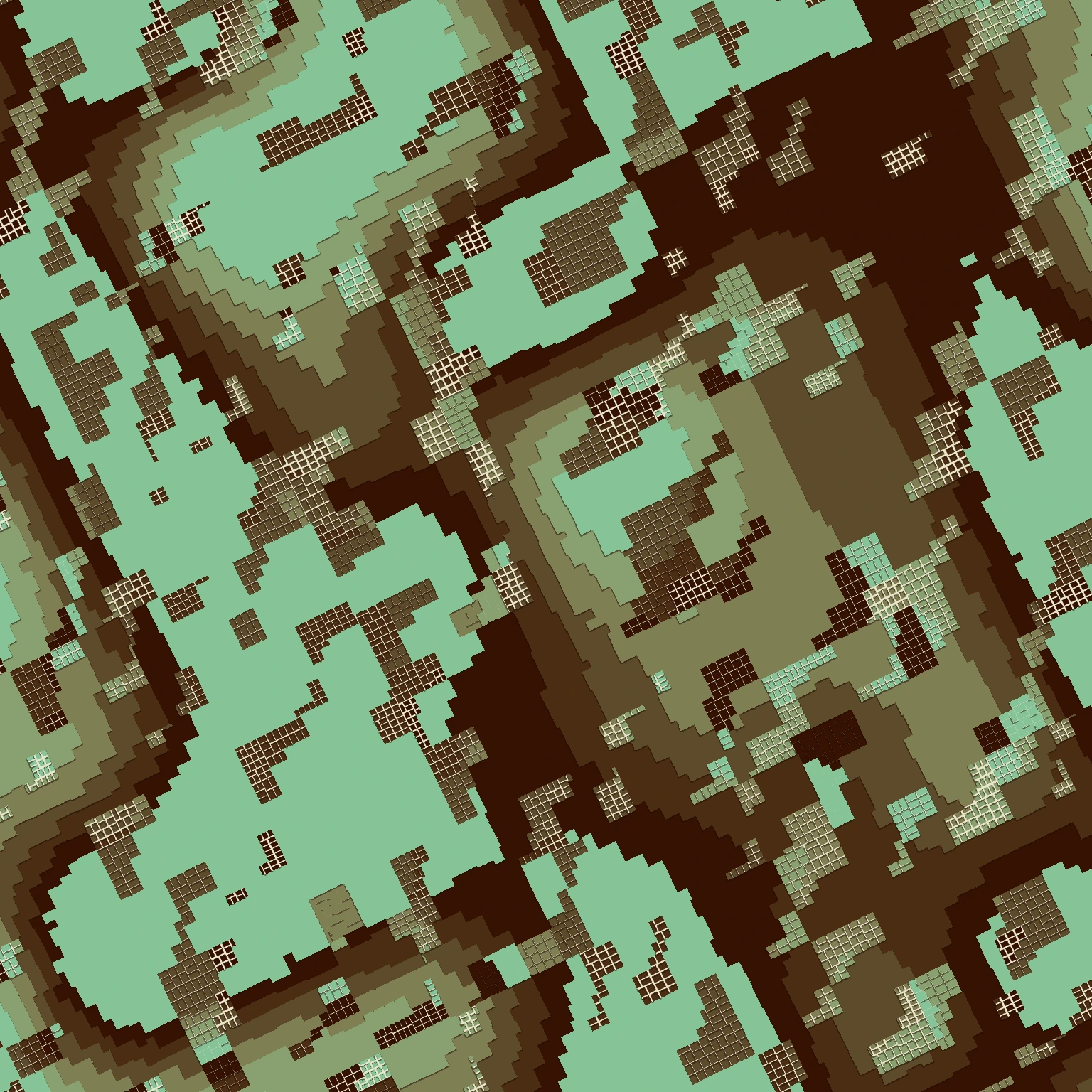
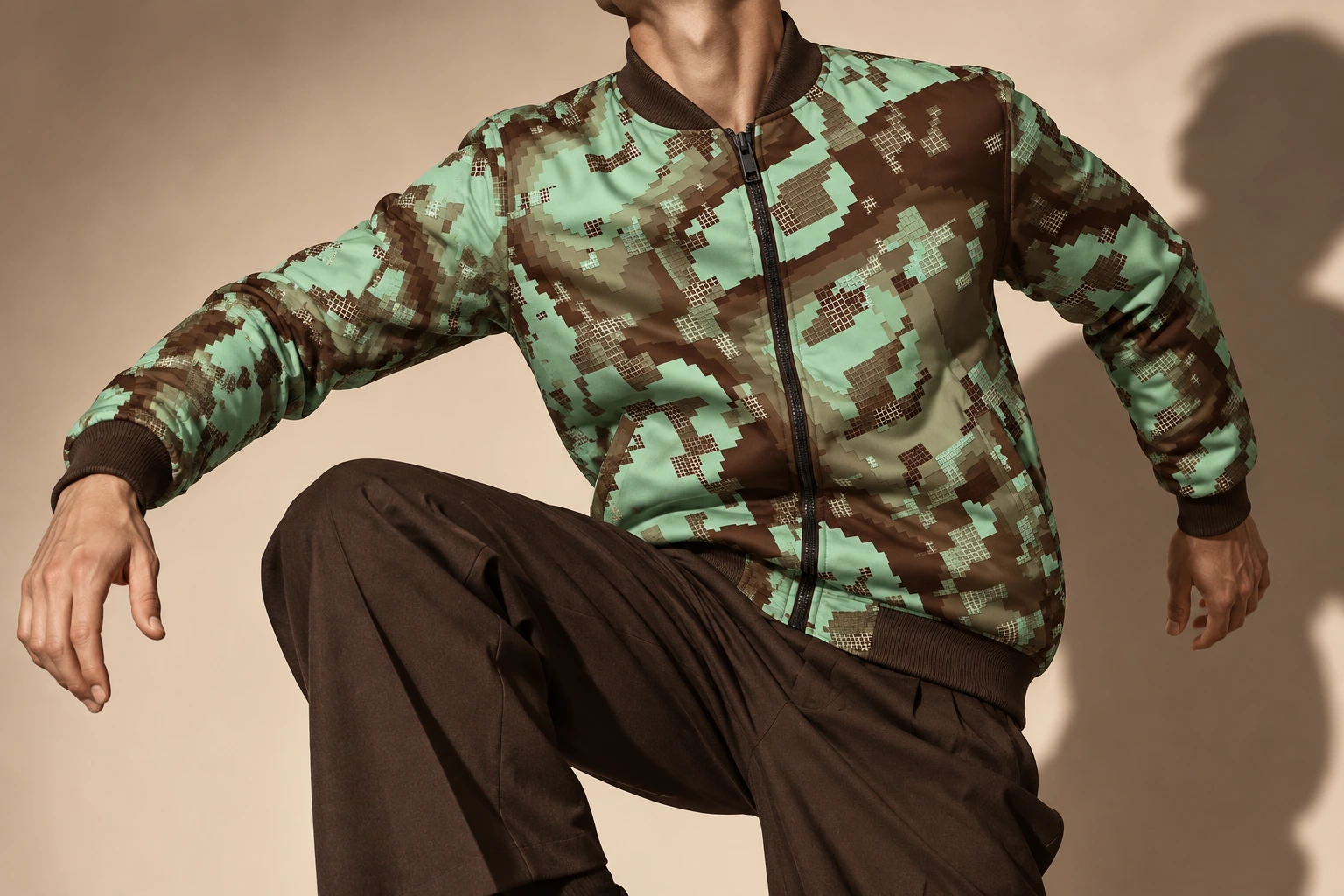
Born from camouflage and kimono, CAMONO follows two connected directions: flowing lines and disrupted shapes. Both explore how pattern changes the way we relate to our surroundings.
Camouflage is a beginning. From woodland tones to unexpected color, from angular blocks to organic shapes, we take its visual language into personal expression.
From disruption to flow
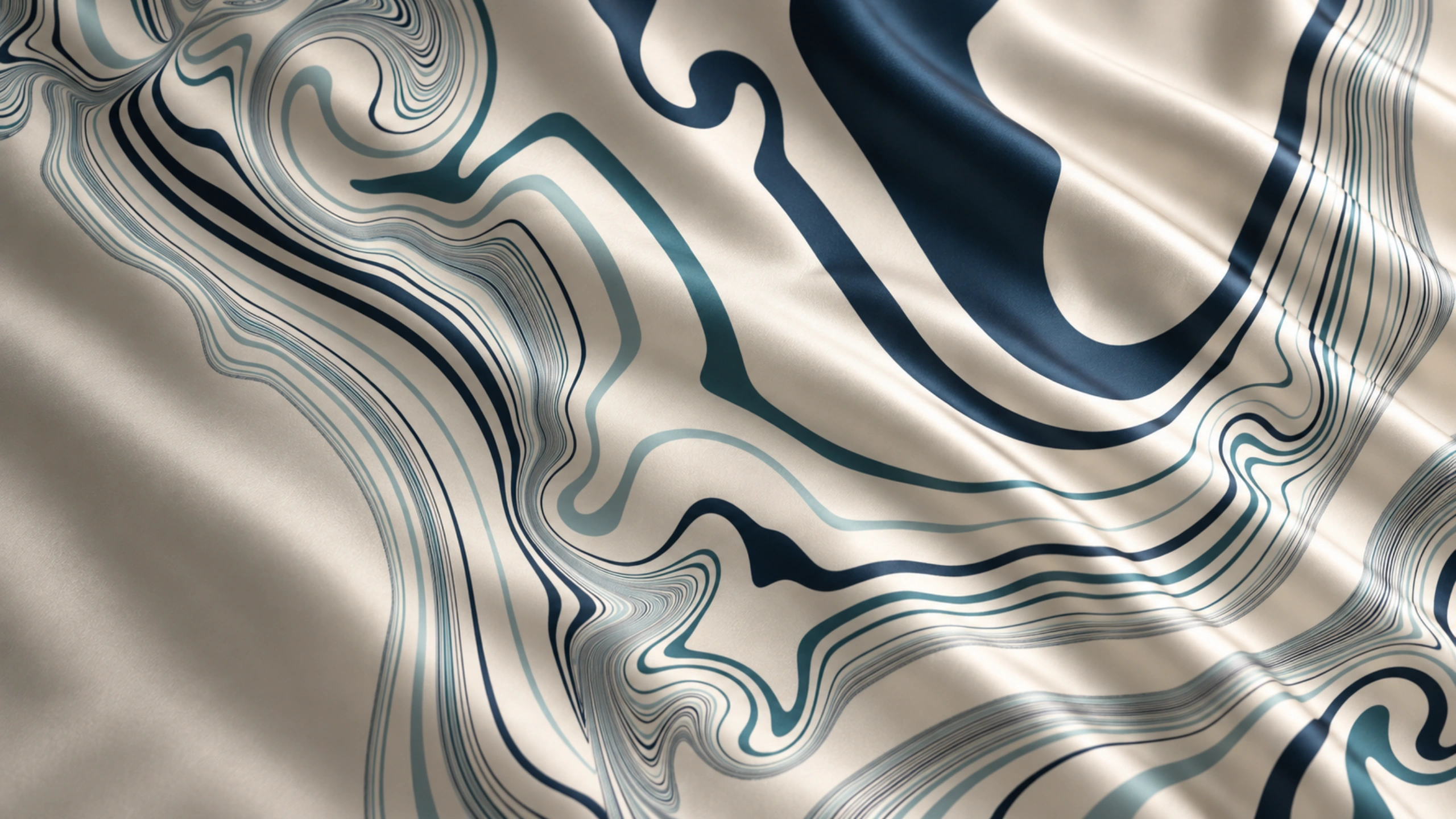
Camouflage breaks up a silhouette; flowing lines carry the eye across a surface. This shared interest in movement leads NAGARE to suminagashi, the Japanese art of floating ink. Its drifting contours inspire our digitally generated patterns.
Mathematics shapes the patterns; color, scale, and material shape their expression. These are digital interpretations, not traditional hand-marbled textiles.
Flow and layers
Continuity and separation are our two mathematical intuitions. NAGARE draws on continuous functions; KASANE finds inspiration in discrete shapes, their overlaps, and their relationships. Its name, 重ね (kasane), evokes layering. Curves can become patches, and angular forms can suggest a current. A pattern belongs where its strongest character leads, with room for both to meet.
Where patterns become objects
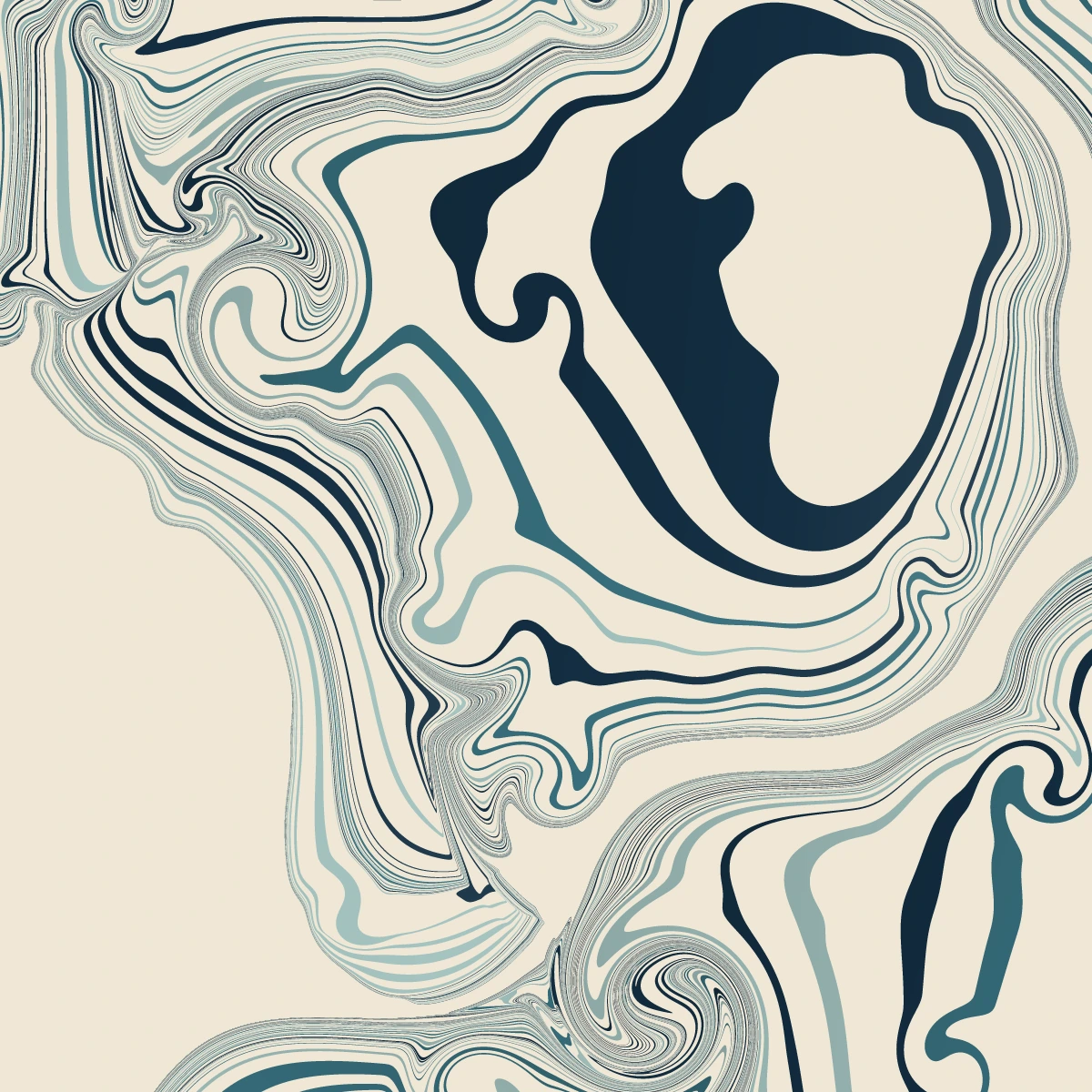
A scarf moves with the body. A bag carries color into the street. A textile changes the feel of a room. We begin with a selected Study—a saved artwork with its own recipe and palette—and consider how scale, placement, and material give its pattern a place in everyday life.